
Common Pests
This page contains information about the most common pests that we have to deal with in our Barbican window boxes and pots. The images are courtesy of the Royal Horticultural Society and Unsplash.
I confess to being fascinated by all the little creepy-crawlies and flying insects we have in our “concrete jungle”. I like to encourage beneficial insects.
If pests are causing damage to my plants I try to just remove them and humanely squash them as quickly as possible. I try to encourage the natural predators, such as ladybirds or to apply predators such as nematodes. As a last resort I may use a chemical insecticide.
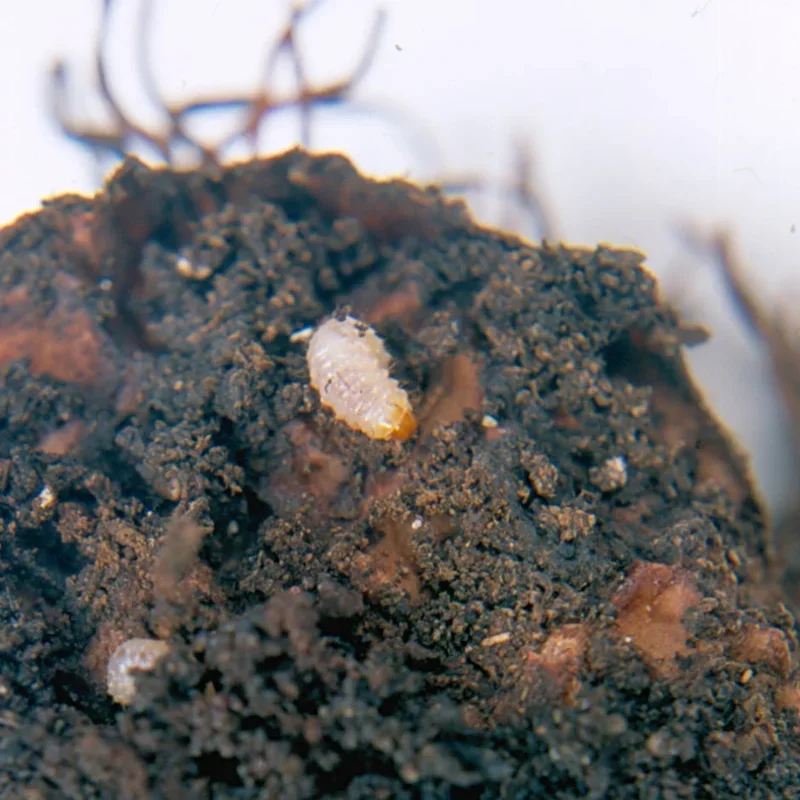
Wine weevil grub
The Vine Weevil is one of our worst garden enemies. Once established in your window boxes, it’s hard to get rid of them, and they will also happily migrate to your neighbours.
(Image courtesy of the RHS)
Vine weevils
The adults start to emerge around the end of March. If you see neat semi-circular holes eaten from the edge of leaves, it’s probably Vine Weevil. The leaf damage is unsightly but the real damage is done by the white grubs that eat the roots of your plants. The weevils lay eggs in the soil around the plants, which hatch into small white grubs and finally produce the adults.
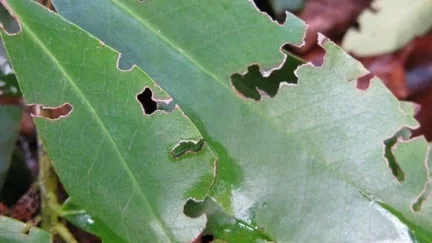
Example of vine weevil damage on leaves.
If you have leaf damage, try to catch the adults before they start laying eggs. They hide during the day but you can find them after dark with a torch and remove and squash them. As a plus you may also find other undesirables, like slugs and snails. Vine weevils do not move if you shine a torch on them when they are on a leaf. If there are lots of them (and you may not see them easily on the plant) you may be able to shake them off the plant over a piece of paper and catch them that way. Adult weevils will drop to the ground around it and can be squashed.
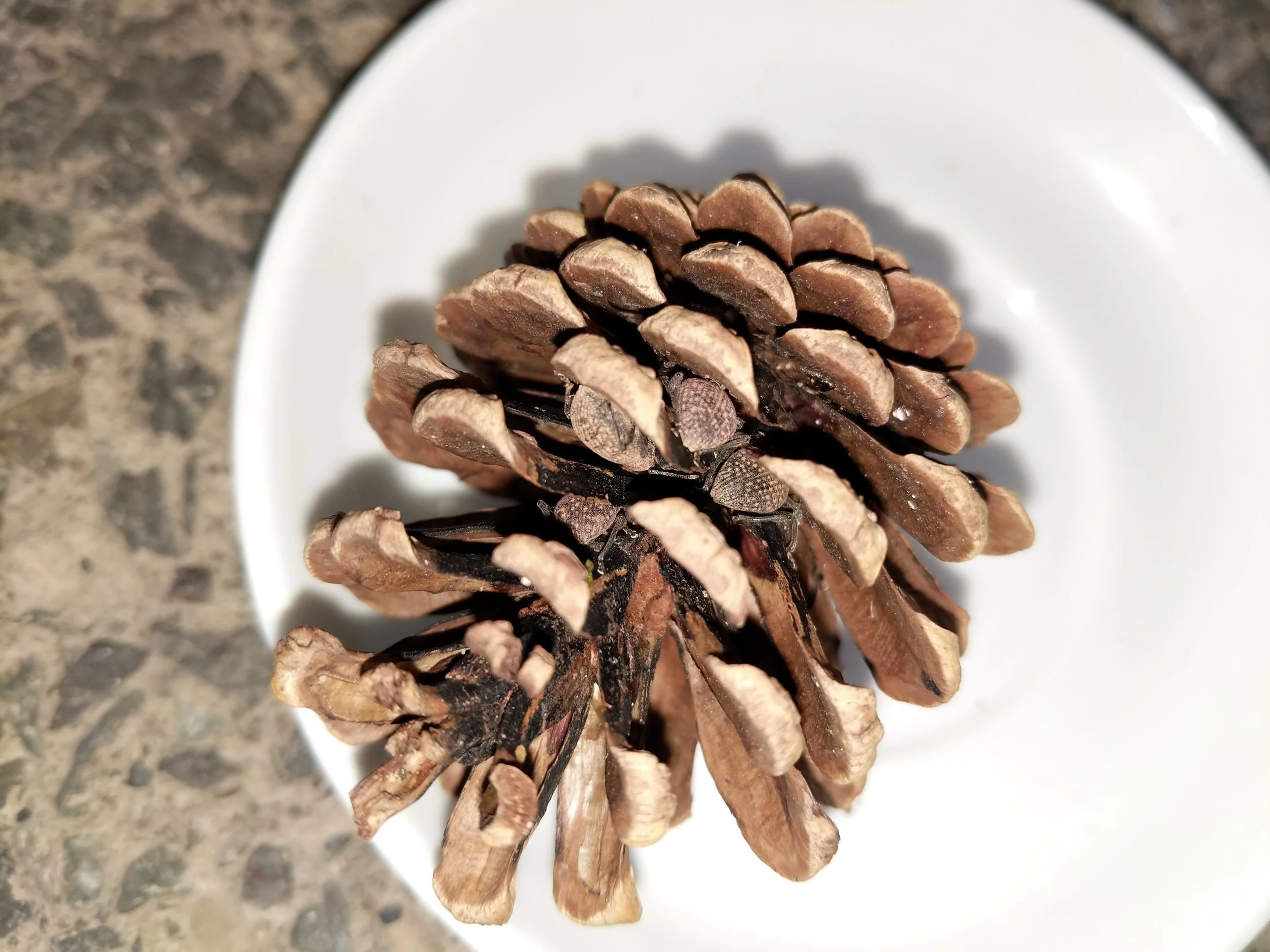
Use pinecones to get rid of adult weevils
A few pine cones scattered around on the soil around your plants will provide hiding places for the adult weevils during the day. They hide between the sections of the fir cone, face first, with just their backsides showing.
You can inspect the pine cones during the day and dispose of the weevils. The best success is achieved where you can put a cone under a low plant or in a dark corner, and where the soil is free of leaf litter or other obvious places for the vine weevils to hide. Remove the pine cones when you water, as they close up if they get wet.
This bit not for the squeamish – if you cannot shake the weevils out of the pine cone, you may need to toothpick or similar to dislodge them. An article in an old Garden Organic magazine said that spiders eat the eggs, which is good to know.
Dealing with grubs
If you spot any small white grubs with brownish noses, lying in the soil in a “C” shape, these could be Vine Weevil grubs. (OK, they are not noses, but it describes what you will probably see). These little beasties are the real baddies, as they eat the plant roots and can kill the plant. In this case you will need to remove as many grubs as you can find and consider further treatment. When you can see little legs on the grubs they are nearly adult, so tackling them becomes critical.
You can water nematodes into the soil, or there is a chemical called Thiacloprid which is widely used to control Vine Weevils. It is in Provado Vine Weevil Killer and other Provado products. This kills off most plant-eating pests for many months. However, it has been implicated in the collapse in bee numbers. This is not yet certain enough to have it completely banned in the UK but some places no longer stock it. I tend to play safe on this issue but if you have a favourite plant in a separate pot it may be worth using this chemical. I would not advise wide-spread use but there are differing opinions on this topic, so it’s up to you.
Look at these sites for information and very good pictures:
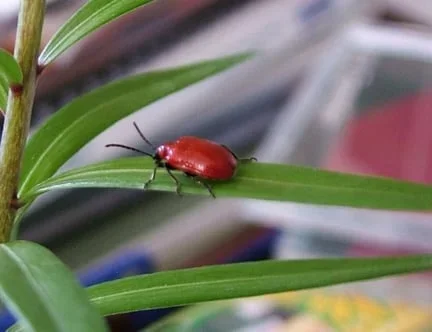
Red lily beetles
Damage on lily leaves, similar to that caused by Vine Weevils but perhaps more irregular and longer in shape, could be Red Lily Beetle. Both the larvae and adults eat the leaves and can cause severe defoliation. These pests should be removed and “disposed of” if spotted.
Red Lily Beetles can be spotted on leaves during the day.
See RHS page on lily beetles for more info.
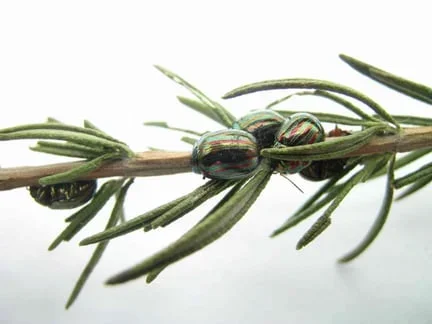
Rosemary beetle
Another critter to be aware of. It’s about the size and shape of a ladybird but is shiny green with red stripes. A bad infestation can strip the leaves off rosemary or lavender. This is a fairly recent introduction to the UK.
See the RHS link for more information.
Ants and Woodlice
Some of us are having success getting rid of ants with Nippon ant traps. I put some of the jelly on a piece of old flower pot and covered it with another, curved piece for a roof.
I noticed ants visiting this trap but also discovered 2 woodlice feasting on the jelly. I would really welcome fewer woodlice on my roof terrace. They are generally thought of as being totally benign but I have a photo of several lined up on my garden wall, chewing the edge of the petals of a small petunia. I wonder what else they eat. Perhaps some of our “vine weevil” damage can be attributed to woodlice.
My only concern is that if the woodlice eat the ant bait, they might be poisonous to any birds that might eat them. If anyone knows anything about this, please let me know.
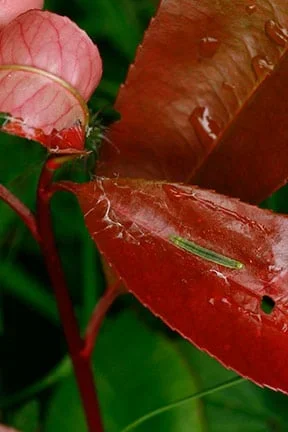
Caterpillars
Many plants are subject to leaf damage from caterpillars. Regal Pelargoniums (our “Geraniums”) and many other plants are often attacked by the small green caterpillar of the Tortix moth.
The most obvious damage symptoms are holes in the leaves and the rolling and webbing of the leaves which allows the pale green caterpillars to feed out of sight by grazing the leaf surface; damage is not often noticed until the moths have emerged. If you see two leaves apparently stuck together, or a rolled up leaf, then squash the area between your fingers to kill any caterpillar hiding within. If you prise open the leaves to see if anyone is at home, the resident caterpillar will quickly wriggle away and drop onto the soil.
Check out the RHS guides on caterpillars.
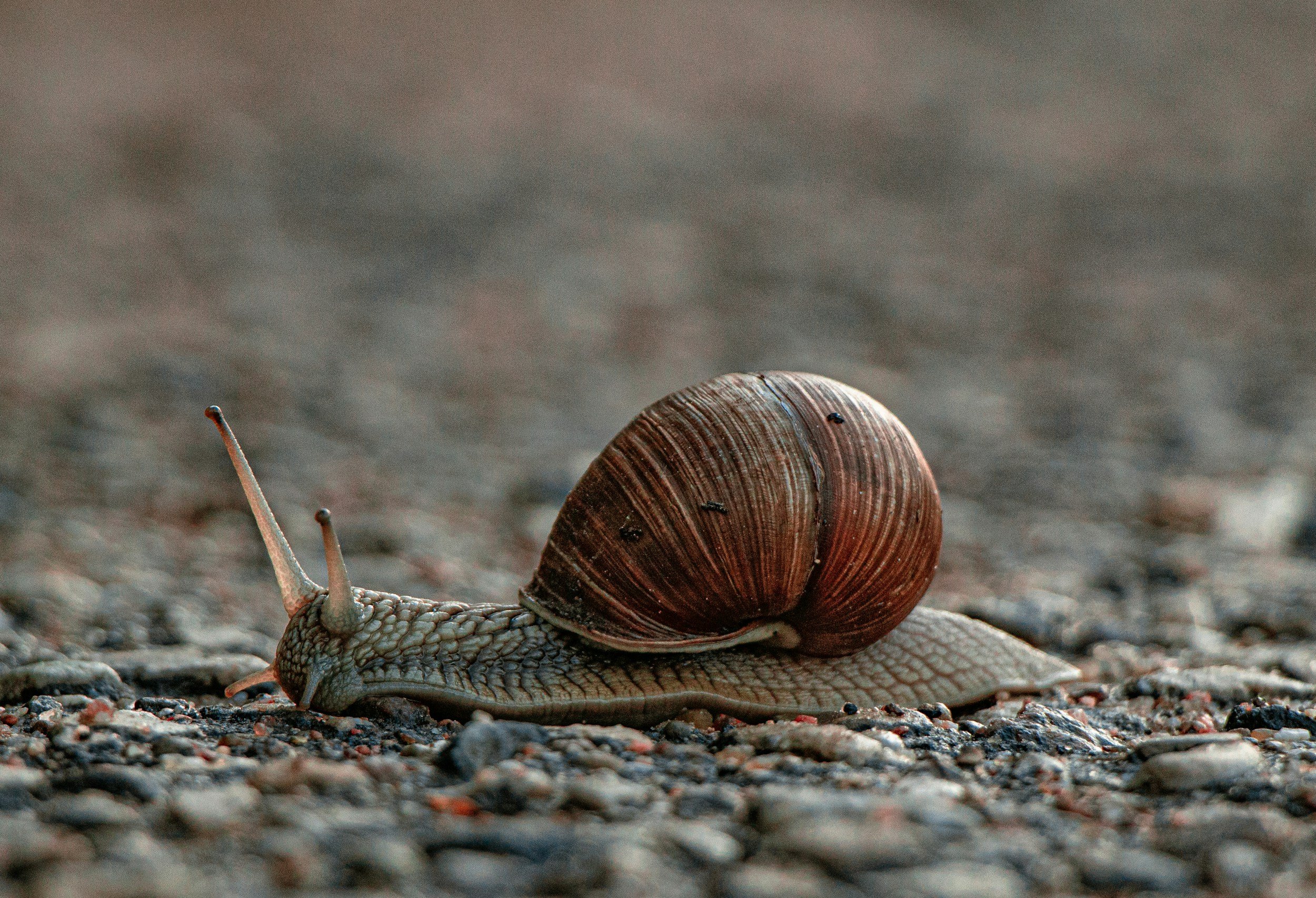
Slugs and Snails
These are not usually a huge problem unless you have brought plants in from “real” gardens. Large areas of leaves eaten away are often a sign of slugs or snails. Slimy silvery trails across leaves or flowers are another sign.
The best time to catch the slugs or snails is at night, when the soil is very moist. If you have plants in pots, snails can hide under the rims of the pots and slugs can be found under the pots, especially just inside the drain holes. If you want, you can put them in a bucket of salty water to kill them - but don't put salt directly on the soil, you'll end up ruining your soil!
Here is a lovely definitive guide to getting rid of slugs and snails - the site is new to me and looks like another useful resource.
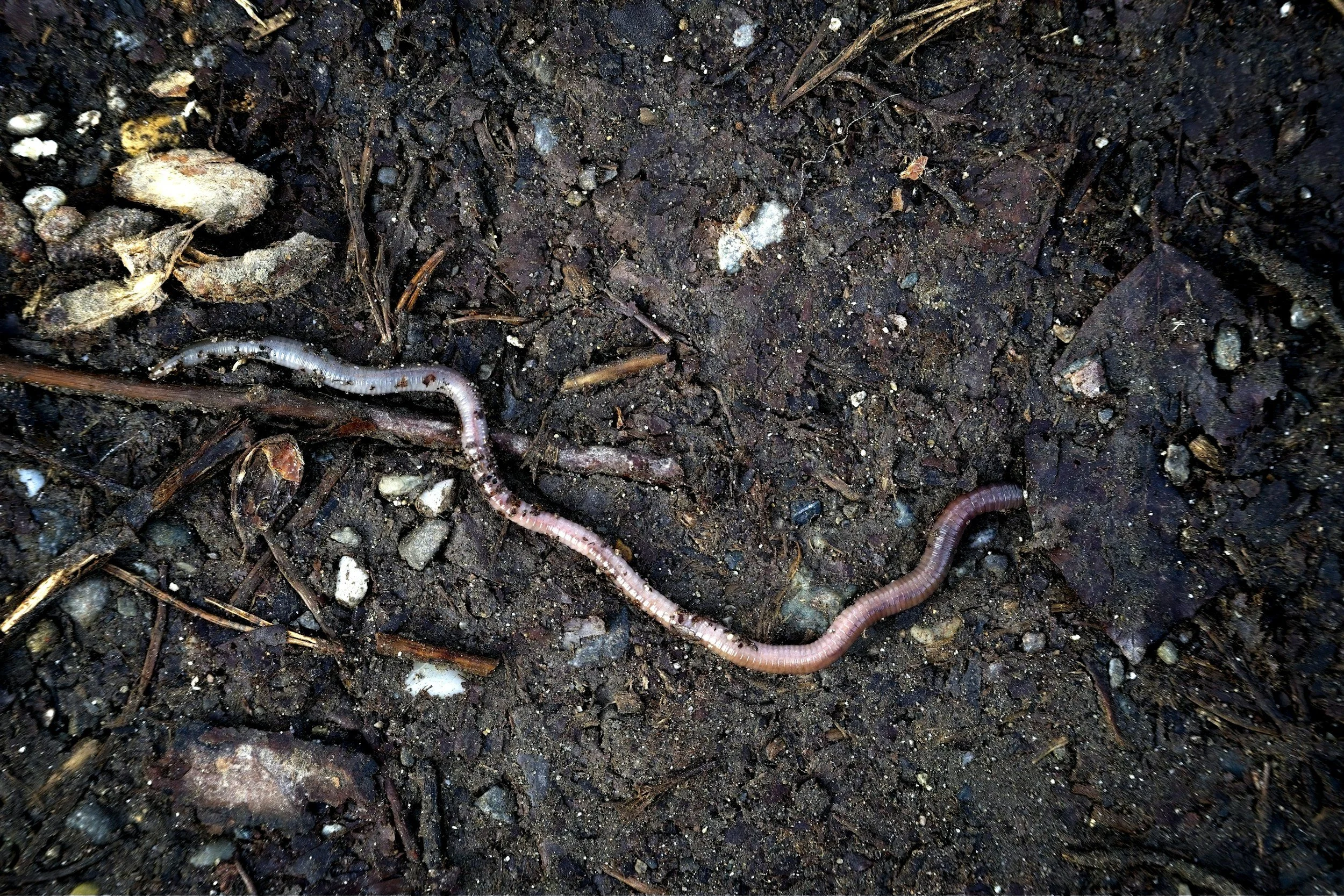
Worms
In a garden worms are beneficial but not so in our window boxes. They improve the soil, aerating it and taking incorporating waste leaf litter. Unfortunately, if there is not enough leaf litter in our window boxes then they will have to eat living plant tissues. So it’s probably best to remove worms if you come across them. I am sure the Barbican gardens would welcome them!
Feedback
If you have any information, hints and tips, queries, disagreements or corrections, please do contact me at information@barbicanhortsoc.co.uk
Wenda Sturrock; revised January 2019